Understanding the Fire Restoration Process
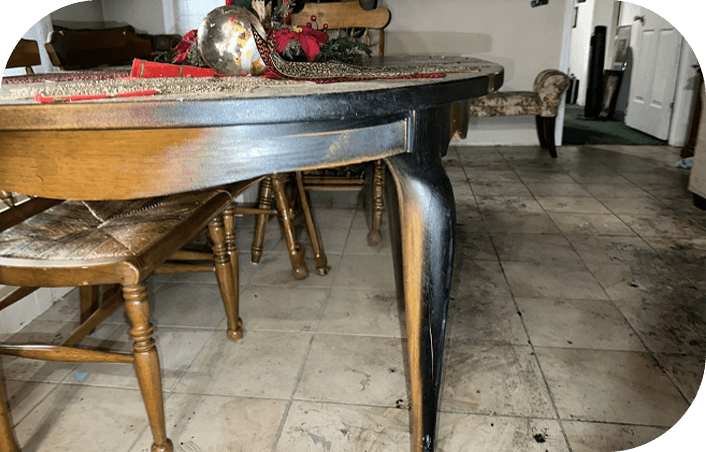
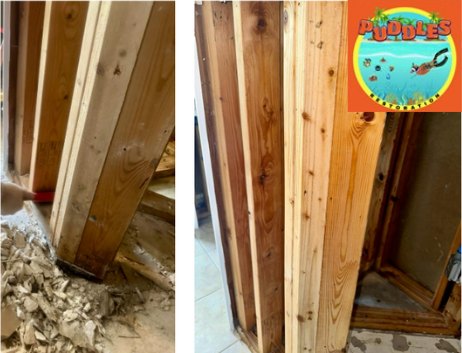
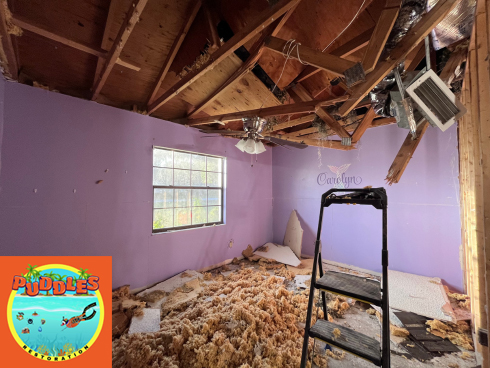
The fire restoration process is crucial for returning a property to its pre-fire condition. It typically involves several steps, including assessment of damage, removal of debris, cleaning of soot and smoke residues, and repairs to structural components. Each phase is designed to ensure that both visible and hidden damages are addressed effectively.
For instance, a professional restoration team will start with a thorough inspection to evaluate the extent of the damage. They will identify which items can be salvaged and which need to be replaced. This comprehensive approach not only restores the physical integrity of the property but also helps in preventing health risks associated with lingering smoke and soot.
Common Fire Damage Myths
There are several misconceptions surrounding fire damage and restoration that can lead to improper handling of the situation. One common myth is that all items in a fire-affected area are unsalvageable. In reality, many personal belongings can be cleaned and restored with the right techniques and expertise.
Additionally, some believe that smoke damage is merely cosmetic and doesn't pose health risks. However, smoke particles can infiltrate porous materials and cause long-term health issues if not properly addressed. Understanding these myths can help homeowners make informed decisions during a crisis.
Choosing the Right Fire Restoration Service
Selecting a reliable fire restoration service is critical to ensure effective remediation and recovery. Homeowners should look for companies with proven experience, positive customer reviews, and appropriate certifications. A qualified restoration team will not only have the necessary skills but also the right equipment to handle various types of fire damage.
It's also beneficial to inquire about the company's approach to restoration, including their use of eco-friendly products and their process for communicating with insurance providers. A transparent and professional service will guide homeowners through every step, alleviating the stress associated with fire recovery.
Preventive Measures Against Fire Damage
Taking preventive measures can significantly reduce the risk of fire damage in homes and businesses. Simple actions such as installing smoke detectors, regularly checking electrical systems, and maintaining a clear space around heat sources can help mitigate potential fire hazards.
Moreover, educating family members about fire safety practices, such as having an escape plan and conducting regular fire drills, can enhance preparedness. By being proactive, property owners can protect their investments and ensure the safety of their loved ones.
Understanding the Fire Restoration Process
The fire restoration process is crucial for returning a property to its pre-fire condition. It typically involves several steps, including assessment of damage, removal of debris, cleaning of soot and smoke residues, and repairs to structural components. Each phase is designed to ensure that both visible and hidden damages are addressed effectively.
For instance, a professional restoration team will start with a thorough inspection to evaluate the extent of the damage. They will identify which items can be salvaged and which need to be replaced. This comprehensive approach not only restores the physical integrity of the property but also helps in preventing health risks associated with lingering smoke and soot.
Common Fire Damage Myths
There are several misconceptions surrounding fire damage and restoration that can lead to improper handling of the situation. One common myth is that all items in a fire-affected area are unsalvageable. In reality, many personal belongings can be cleaned and restored with the right techniques and expertise.
Additionally, some believe that smoke damage is merely cosmetic and doesn't pose health risks. However, smoke particles can infiltrate porous materials and cause long-term health issues if not properly addressed. Understanding these myths can help homeowners make informed decisions during a crisis.
Choosing the Right Fire Restoration Service
Selecting a reliable fire restoration service is critical to ensure effective remediation and recovery. Homeowners should look for companies with proven experience, positive customer reviews, and appropriate certifications. A qualified restoration team will not only have the necessary skills but also the right equipment to handle various types of fire damage.
It's also beneficial to inquire about the company's approach to restoration, including their use of eco-friendly products and their process for communicating with insurance providers. A transparent and professional service will guide homeowners through every step, alleviating the stress associated with fire recovery.
Preventive Measures Against Fire Damage
Taking preventive measures can significantly reduce the risk of fire damage in homes and businesses. Simple actions such as installing smoke detectors, regularly checking electrical systems, and maintaining a clear space around heat sources can help mitigate potential fire hazards.
Moreover, educating family members about fire safety practices, such as having an escape plan and conducting regular fire drills, can enhance preparedness. By being proactive, property owners can protect their investments and ensure the safety of their loved ones.