
Licenses & Certifications
Two Florida state licenses. Fourteen IICRC and EPA certifications. Every one listed here is held by PUDDLES Restoration and can be verified independently.
Triple Master
IICRC Triple Master Firm
According to the IICRC, only 1.8% of its constituents have attained a Master designation. It is the highest level of certification in the cleaning and restoration industry, requiring a minimum of three consecutive years as an IICRC Certified Technician plus a specific combination of underlying certifications. Almost no other restoration company in the market holds even one of these designations, let alone all three. PUDDLES Restoration has earned all three:
Master Textile Cleaner (MTC)
Built on CCT, UFT, OCT, RRT, and CRT, plus a minimum of three consecutive years as an IICRC Certified Technician.
Master Water Restorer (MWR)
Built on CCT, RRT, WRT, AMRT, HST, and ASD, plus a minimum of three consecutive years as an IICRC Certified Technician.
Master Fire and Smoke Restorer (MSR)
Built on FSRT, UFT, OCT, HST, and CCT, plus a minimum of three consecutive years as an IICRC Certified Technician.
MTC, MWR, and MSR are credentials almost nobody else in the market has. Holding all three puts PUDDLES Restoration in a small group of firms nationwide with this level of proven expertise across textile cleaning, water restoration, and fire and smoke restoration.
On this page:
- IICRC Triple Master
- IICRC Certified Firm
- Water Damage (WRT)
- Structural Drying (ASD)
- Commercial Drying (CDS)
- Carpet Cleaning (CCT)
- Carpet Repair (RRT)
- Upholstery & Fabric (UFT)
- Carpet Color Repair (CRT)
- Mold Remediation (MRS)
- Microbial Remediation (AMRT)
- Fire & Smoke (FSRT)
- Odor Control (OCT)
- Health & Safety (HST)
- Trauma & Crime Scene
- EPA Lead RRP

Florida State Licenses
These stay as their own pages because Florida law requires a separate license to assess or remediate mold, and homeowners actively search to verify this.
License MRSA5438
Florida Licensed Mold Assessor
In the State of Florida, the Department of Business and Professional Regulation (DBPR) licenses and regulates mold assessors and mold remediators. To become licensed, individuals need to meet specific education and experience requirements, pass an approved examination, and undergo a criminal background check.
Licensing Requirements: Requires specific education (e.g., Associate's degree in a related field) and documented field experience, or a high school diploma with more experience.
Read more
Verify via Florida DBPRMold Remediator
Requires the same educational and experience qualifications as a mold assessor, plus passing a department-approved exam.
ExaminationBoth mold assessors and remediators must pass a state-approved examination.
Background CheckA criminal background check is part of the licensing process.
FeesApplication and licensing fees apply, and are non-refundable.
Understanding Florida Mold Assessor Licensing RequirementsIn Florida, becoming a licensed mold assessor involves meeting specific educational and experiential benchmarks established by the Department of Business and Professional Regulation (DBPR). These requirements are designed to ensure that professionals possess the necessary knowledge and skills to accurately assess mold conditions and protect public health.
Prospective assessors typically need to hold at least an Associate's degree in a relevant field or demonstrate a substantial amount of documented field experience. Alternatively, individuals with a high school diploma can qualify by accumulating more extensive practical experience. Passing an approved examination and successfully completing a criminal background check are also mandatory steps in the licensing process.
License MRSR5453
Florida Licensed Mold Remediator
Examination: Individuals seeking licensure as a Mold Remediator must first take and pass a department approved exam for mold remediation.
Education/Experience: A copy of a transcript is required demonstrating an Associate of Arts degree or higher in microbiology, engineering, architecture, industrial hygiene or occupational safety or related field of science from an accredited institution, plus a minimum of 1 year of documented field experience related to mold remediation — or a high school diploma and 4 years of documented field experience in a related field.
Read more
Verify via Florida DBPR
FingerprintsAn applicant must have a background check as part of the licensing process, submitted through a Livescan Service Provider registered with FDLE. Results can take up to five days to be received by the Department after submission to the Florida Department of Law Enforcement (FDLE).
InsuranceApplicants for a Mold Remediator license are required to attest that they have obtained general liability insurance in the amount of no less than $1 million dollars as determined by statute.
FeePay the required fee as provided in the application, by credit card, electronic check, or mailed check. Military veterans, spouses, and Florida National Guard members may be eligible for a fee waiver, reimbursement, or discount.
Florida Mold Remediator License RequirementsTo become a licensed mold remediator in Florida, individuals must meet specific educational, experiential, and examination criteria. The state mandates a thorough process to ensure that only qualified professionals handle mold remediation, protecting public health and safety.
Understanding the ExaminationThe examination assesses an applicant's knowledge of mold identification, safety protocols, remediation techniques, and relevant state regulations. Candidates should prepare by studying mold growth conditions, health effects of mold exposure, containment strategies, proper cleanup procedures, and waste disposal methods.
Fingerprinting and Background ChecksAll applicants must undergo a fingerprinting procedure as a standard background check conducted by the FDLE, to ensure public safety before licensure.
Firm-Wide
IICRC Certified Firm — company-wide credential
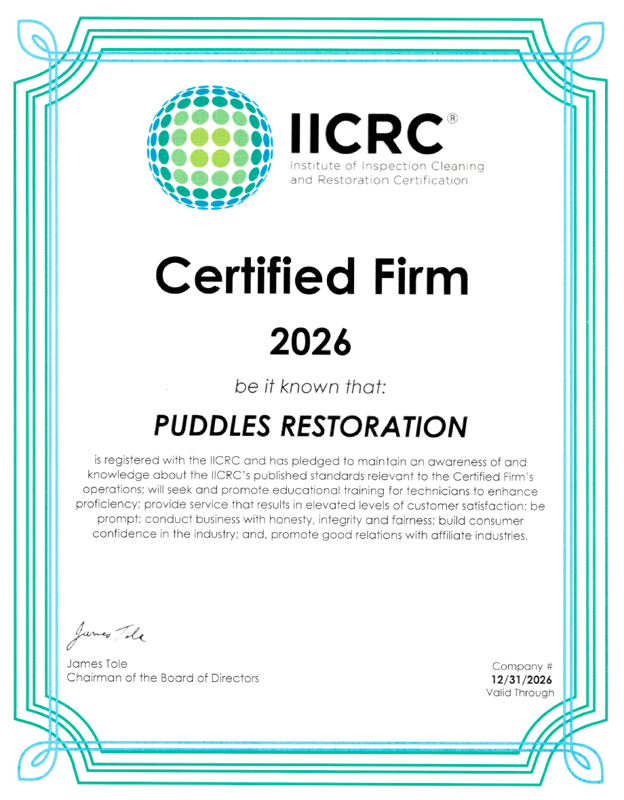
An IICRC Certified Firm is a business that employs one or more IICRC Certified Technicians certified as an inspection, cleaning, and restoration specialties. The IICRC is the Institute of Inspection Cleaning and Restoration Certification, a non-profit organization for the Inspection, Cleaning, and Restoration Industries. There are approximately 6,500 Certified Firms worldwide.
IICRC Certified Firms perform at the highest level of technical expertise when completing complex jobs, giving you peace of mind the scope of work is completed right the first time. Firms can work in both residential and commercial environments, depending on their specific business qualifications. You can verify any IICRC Certified Firm and their qualifications on the IICRC Global Locator, or contact the IICRC with our name (PUDDLES Restoration) and they can verify our credentials.
PUDDLES' actual IICRC Certified Firm certificate.
Read more
Verify on IICRC Global LocatorIICRC Certified Firm verification
What does IICRC stand for?The IICRC is the Institute of Inspection Cleaning and Restoration Certification, a non-profit organization for the Inspection, Cleaning, and Restoration Industries. It is managed by a Board of Directors, comprised of 15 industry leaders elected by the IICRC's Shareholders.
What is the IICRC drying standard?The IICRC-S500 says regardless of the equilibrium moisture content (EMC) of the material(s) in the structure, the material(s) cannot be at an EMC that would support microbial growth. An acceptable dry standard is within 10% of what the other similar materials in the facilities were pre-loss.
What is the code of ethics for the IICRC?Satisfaction; be prompt; conduct business with honesty, integrity, and fairness; build consumer confidence in the industry; and promote good relations with affiliate industries.
Is PUDDLES Restoration an IICRC certified firm?Yes. In addition to technicians being IICRC certified, the entire company is also IICRC certified.
Why is it important to be an IICRC certified firm?IICRC Certified Firms are known for their high level of technical experience and professionalism. Due to the increased levels of dishonest, unqualified, unlicensed, and uninsured individuals/companies that are quick to take your money, property managers, homeowners, and business owners need high-quality contractors. By hiring an IICRC Certified Firm, you are provided with a level of comfort and assurance that cannot be replicated.
Water
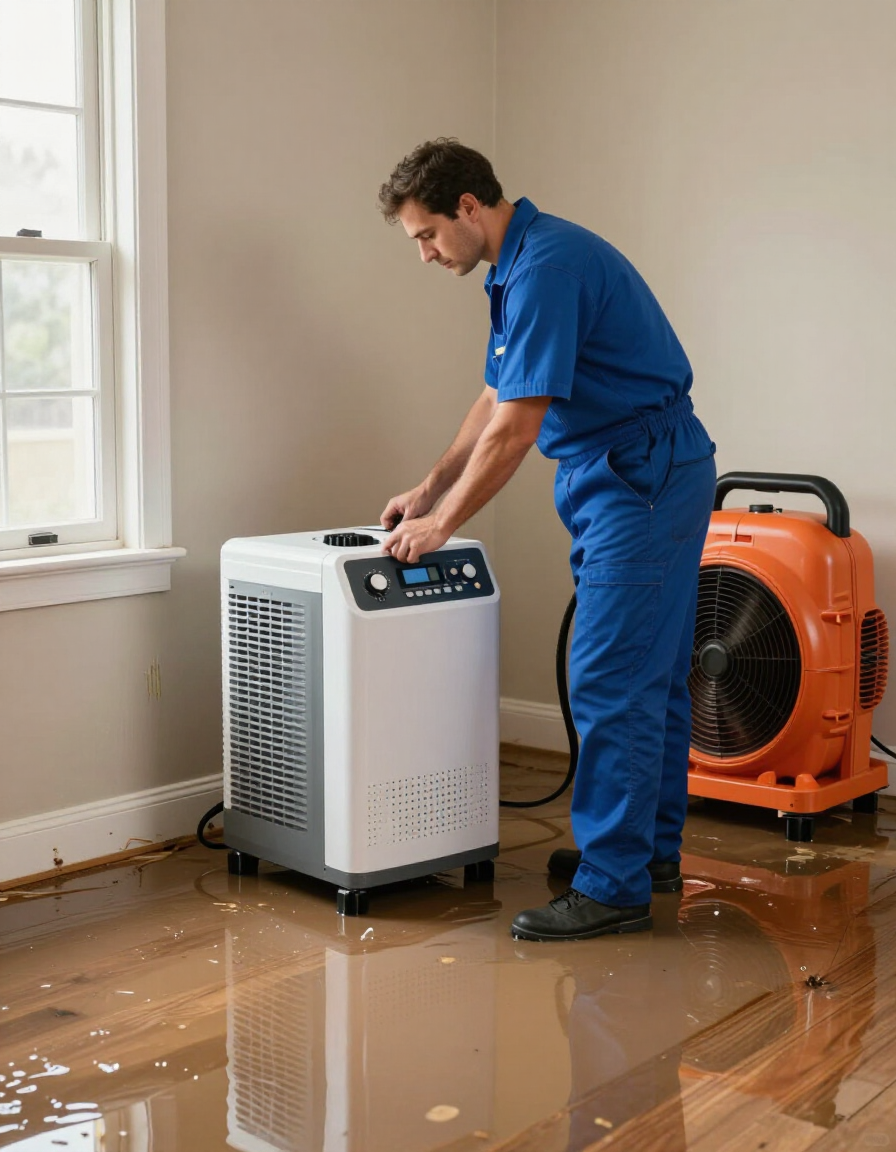
Water Damage Restoration Technician (WRT)
Read more
Water Damage Restoration
Understanding Water DamageWater damage can result from various sources such as flooding, leaks, or burst pipes, leading to significant structural issues if not addressed promptly. Understanding the types of water damage — clean, gray, and black water — is crucial for effective remediation. Each type presents different hazards and requires specific handling techniques.
The Importance of WRT CertificationThe WRT certification is essential for professionals in the restoration industry, validating their expertise in managing water damage scenarios. Technicians who hold this certification are recognized for their commitment to best practices; many insurance companies may also require certified professionals to handle claims related to water damage.
Steps in the Water Damage Restoration ProcessThe process typically involves assessing the extent of damage, water extraction, drying, dehumidification, and finally repair and restoration of affected areas. Failing to adequately dry the area can lead to mold growth, which complicates restoration and poses health risks.
Choosing the Right Restoration CompanyClients should look for companies with proper certifications, positive customer reviews, and a proven track record. A trustworthy company also provides guidance through the insurance claims process.
Water
Applied Structural Drying (ASD)
Read more
Water Damage Restoration
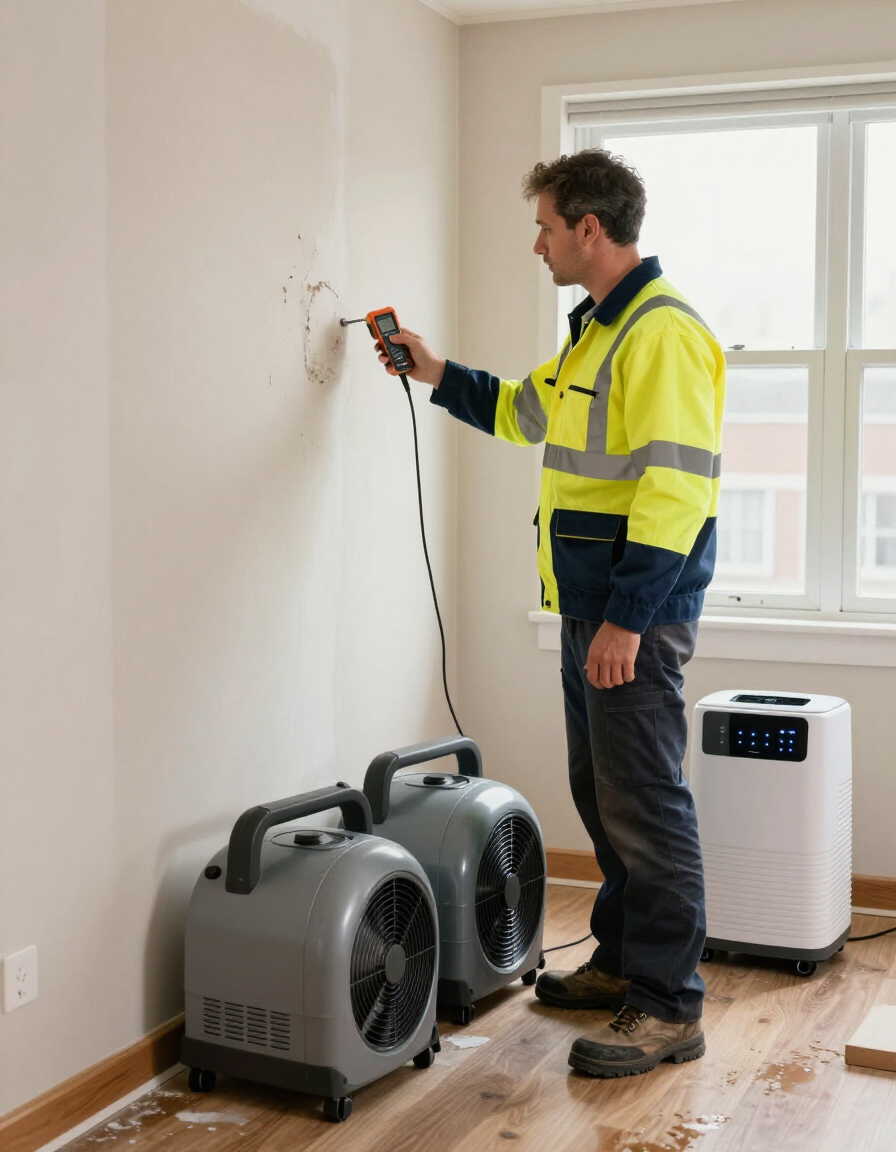
Understanding Applied Structural Drying TechniquesASD techniques focus on the rapid removal of moisture from affected areas, maintaining structural integrity while preventing secondary damages such as mold growth. This involves specialized equipment like dehumidifiers and air movers, alongside moisture monitoring tools.
The Importance of ASD CertificationThis certification validates a technician's knowledge and skills, assuring clients they're receiving services from a qualified expert who adheres to industry standards, including the science of drying and the latest technologies in moisture removal.
Common Challenges in Water Damage RestorationTechnicians must identify hidden moisture pockets, manage structural vulnerabilities, and address health hazards associated with mold and contaminants, using advanced diagnostic tools to locate moisture that isn't immediately visible.
Client Testimonials and Success StoriesPositive feedback from previous clients highlights the effectiveness of the Applied Structural Drying techniques employed, reinforcing the commitment to customer satisfaction.
Water
Commercial Drying Specialist (CDS)
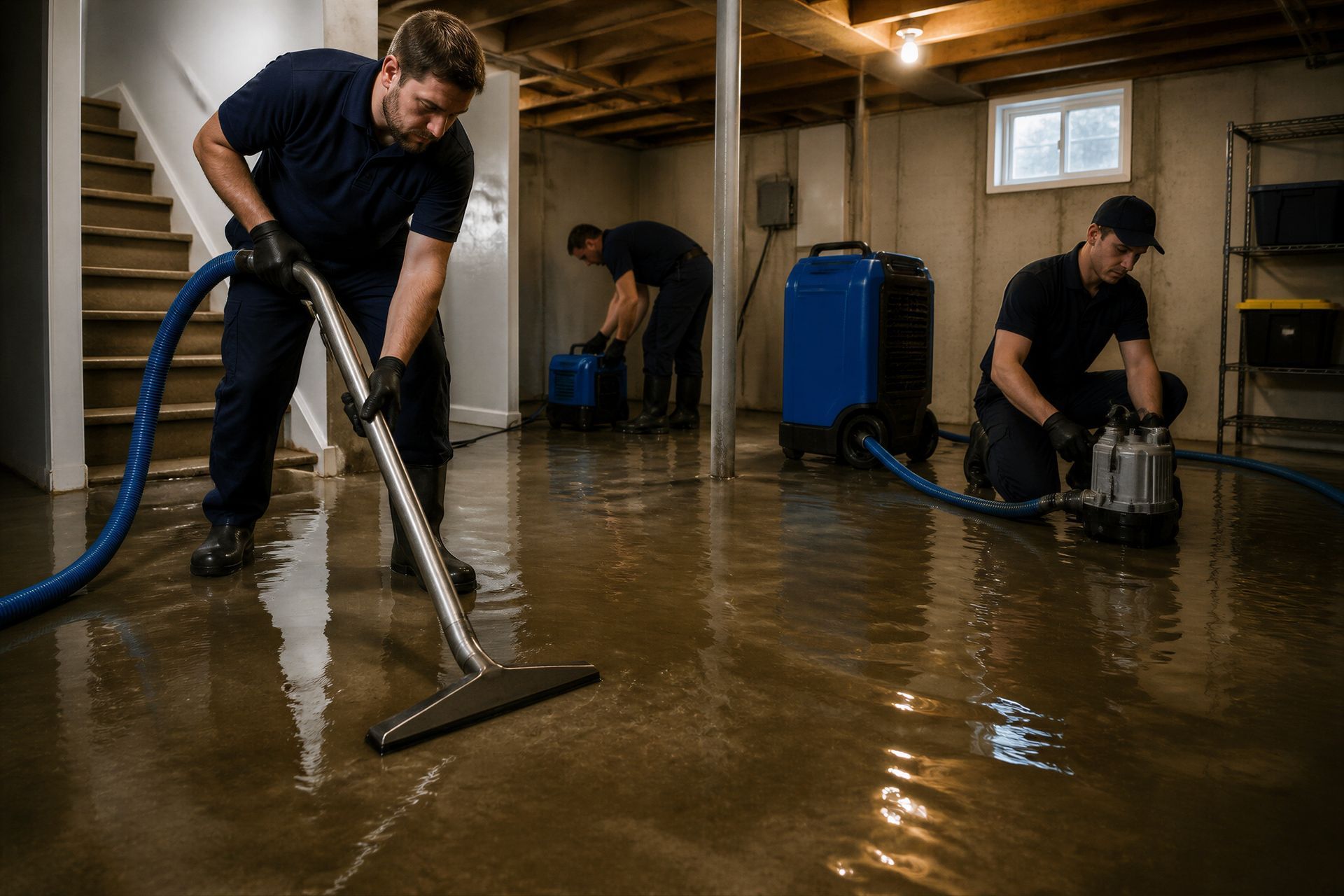
The Commercial Drying Specialist (CDS) certification demonstrates expertise in damage inspection and evaluation, workflow management, process administration, and technical methods of effective and timely drying of commercial, industrial, institutional, and complex residential water-damaged structures, systems, and furniture, fixtures, and equipment (FFE).
This certification is for the experienced technician, project manager, estimator, or owner/manager who wants to expand their understanding of commercial construction, commercial drying practices, challenges, and opportunities, or needs to gain better project management skills. It confirms proficiency in: principles of drying; the differences between residential and commercial structures; negotiation and communication with interested parties; health & safety; temporary power generation and distribution hazard control; microbiological considerations; commercial construction practices; climate control; commercial mechanical systems and air management; equipment options; airflow and control; engineering controls; planning, staging, and project setup; HVAC systems; documentation; and advanced psychrometry & moisture mechanics in materials.
An applicant must be certified as a Water Restoration Technician (WRT) as a prerequisite to take this exam.
Read more
Commercial Restoration
Importance of Commercial Drying ServicesCommercial drying services minimize disruption and prevent further property damage for businesses that experience water damage, protecting the health of employees and customers by reducing the risk of mold growth and structural deterioration.
Key Techniques in Commercial DryingTechniques such as air movement, dehumidification, and temperature control accelerate drying and ensure thorough moisture removal. High-velocity air movers enhance evaporation, while dehumidifiers extract moisture from the air.
Certifications and Training for TechniciansThe CDS certification validates a technician's expertise in advanced drying techniques and project management, with ongoing training from organizations like the IICRC keeping technicians current on best practices, safety protocols, and new technologies.
Choosing the Right Restoration CompanyBusinesses should look for companies with the necessary certifications, experience, and a proven track record in commercial drying, and check customer reviews and references.
Carpet
Carpet Cleaning Technician (CCT)
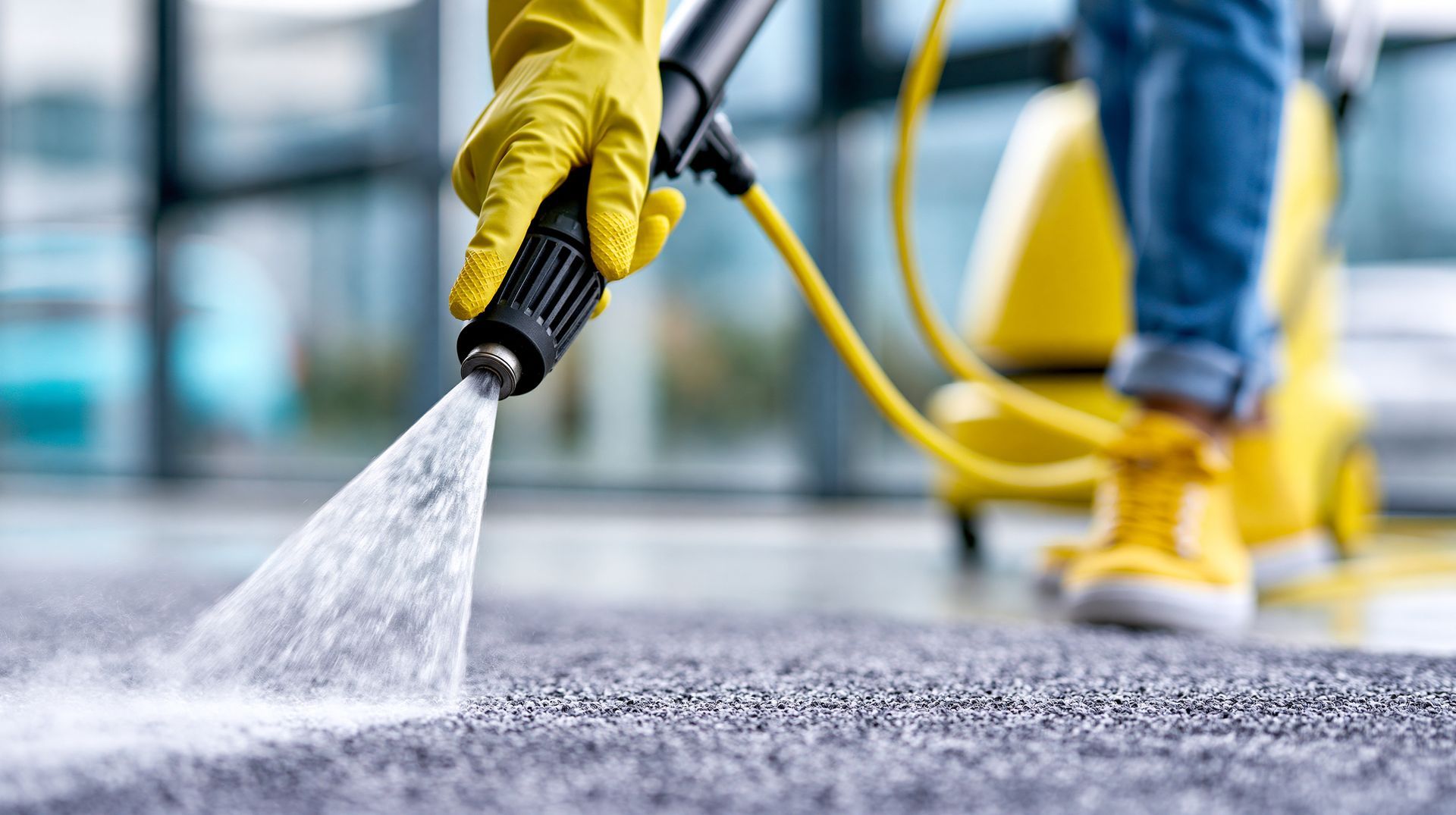
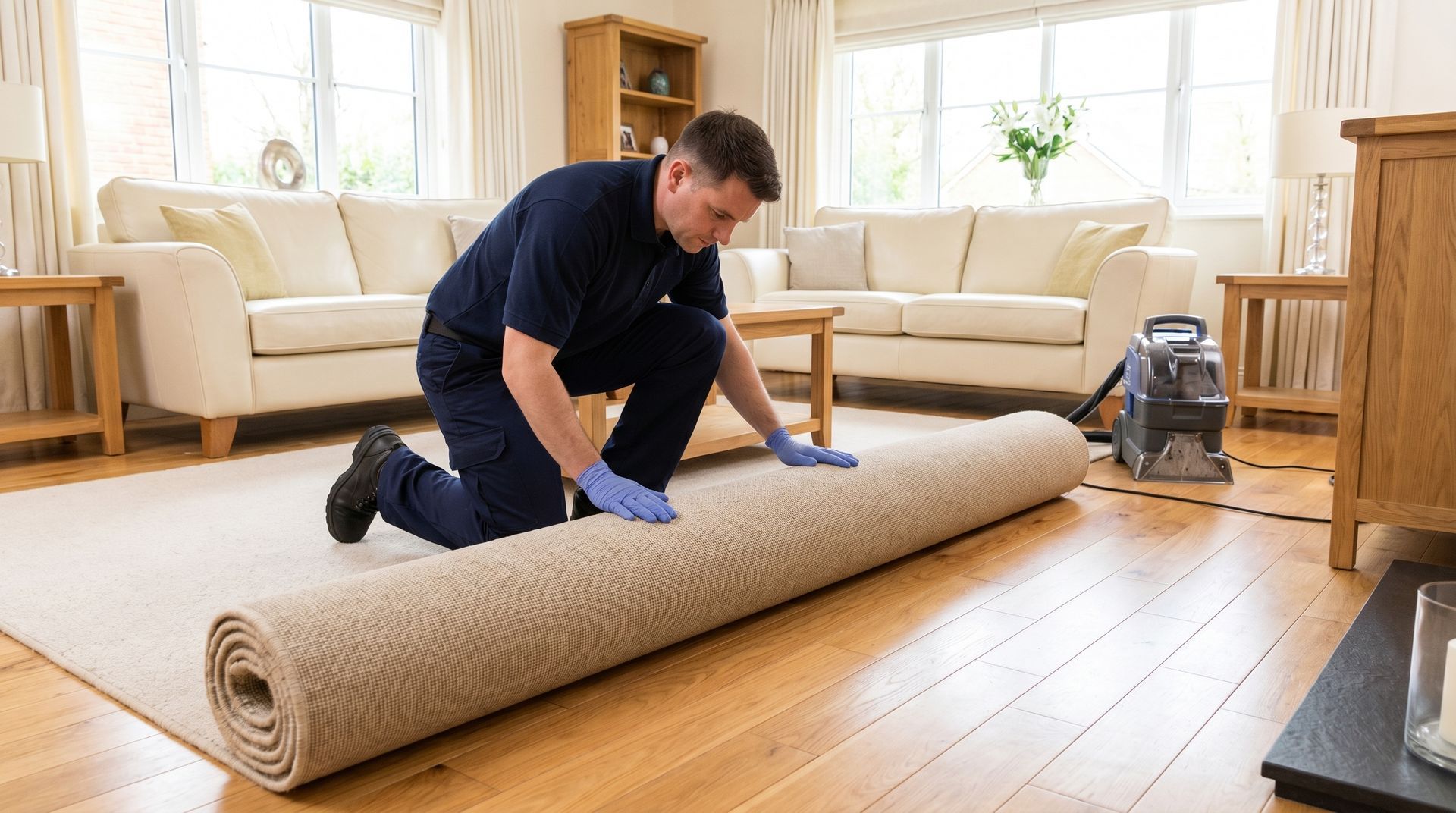
The Carpet Cleaning Technician (CCT) certification covers the art and science of carpet cleaning to professional service providers and others in related industries. Emphasis is placed on practical application, identifying fiber, yarn, and carpet constructions, style types, and finishes, soiling conditions, cleaning science and methodology, and other issues and concerns faced by individuals who maintain and clean installed broadloom carpet. Upon achieving the certification, you have demonstrated you know how to perform carpet cleaning techniques and procedures, including pre-inspection, fabric identification, basic cleaning chemicals and equipment, and proper cleaning techniques and procedures with a residential and light commercial emphasis.
Carpet cleaning is both an art and a science. The training emphasizes:
- Pre-inspection
- Soiling conditions
- Practical application
- Spot and stain removal
- Style types and finishes
- Cleaning science and methodology
- How to clean stain-resistant carpets
- Proper cleaning techniques & procedures
- Issues and concerns with broadloom carpet
- Identifying fiber, yarn, and carpet constructions
- How to properly apply protectors and deodorizers
- How understanding chemistry can simplify the job
- Determining appropriate cleaning chemicals, methods, and equipment for each carpet's construction and materials
The CCT certification was also a prerequisite for us to obtain our designations as: (1) Master Textile Cleaner, (2) Master Water Restorer, and (3) Master Fire and Smoke Restorer.
Carpet
Carpet Repair and Reinstallation Technician (RRT)
The Carpet Repair and Reinstallation Technician (RRT) certification covers the skills necessary to affect a range of carpet repairs, as well as fundamental disengagement and reinstallation techniques.
An RRT technician's training emphasizes:
-Carpet construction— woven, Axminster, tufted, needle-punched, and modular carpet, and how each is built
- Inspection process prior to cleaning
- Tools of the trade and safety practices, including knowing when to use a duckbill vs. offset napping shears, cushion-back vs. loop-pile cutter, and hawk-bill knife vs. slotted double-edge razor knife
- Proper floor preparation, adhesives, carpet cushion, and tackless strip installation
- Carpet disengagement and reinstallation techniques
- How to correctly seam, stretch, and install various types of carpet, including tufted and direct glue-down installations
Read more
IICRC RRT referenceThe course also covers repairs that carpet cleaners and restorers may encounter when working with installed textiles. This knowledge equips technicians to identify and prevent potential installation issues that may arise during carpet cleaning and provides guidance on correcting common challenges. The curriculum familiarizes students with the fundamental skills needed for proficient carpet repair and reinstallation, ensuring safety, quality, and effectiveness in their work.
The RRT certification was a prerequisite for us to obtain our designations as: (1) Master Textile Cleaner and (2) Master Water Restorer.
Carpet
Upholstery & Fabric Cleaning Technician (UFT)
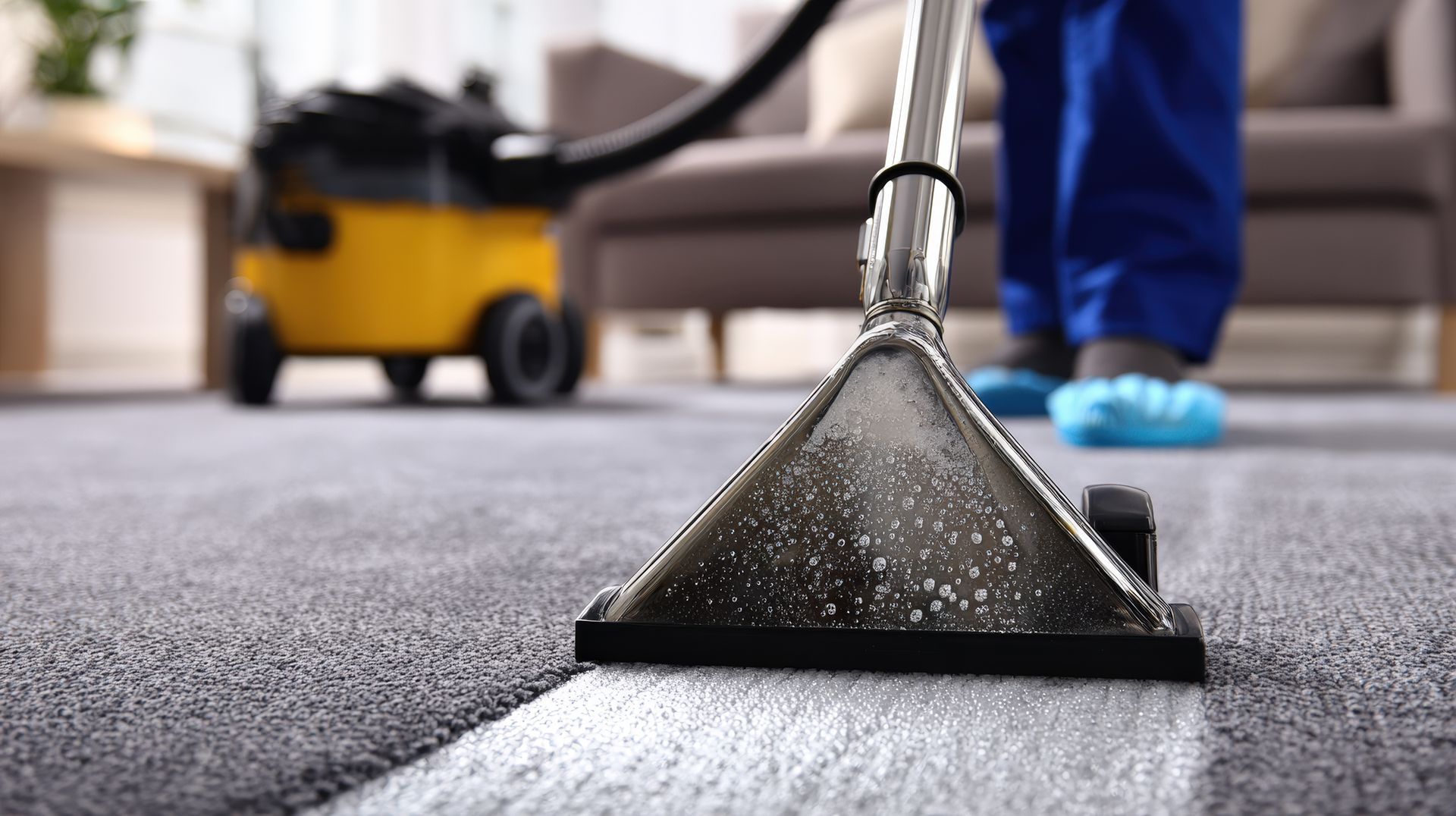
The Upholstery and Fabric Cleaning Technician (UFT) certification covers upholstery fiber categories, fiber identification and testing, fiber and fabric manufacturing, cleaning chemistry, methods, protections, spotting, and potential problems. The certification is confirmation that the technician has specific knowledge of fabric, fiber content, and furniture construction, and can identify limitations and potential cleaning-related problems on a given piece of upholstery.
The training emphasizes:
- How to test for polished cotton
- What the codes S, W, and X mean
- When dry cleaning is the right choice
- How to clean bleeders and sensitive fabrics
- How to test for the correct cleaning method
- The inspection process that can eliminate complaints
- How to recognize, prevent, and solve difficult problems
- How to select the proper chemicals and cleaning equipment
The UFT certification was also a prerequisite for us to obtain our designations as: (1) Master Textile Cleaner and (2) Master Fire and Smoke Restorer.
Carpet
Carpet Color Repair Technician (CRT)
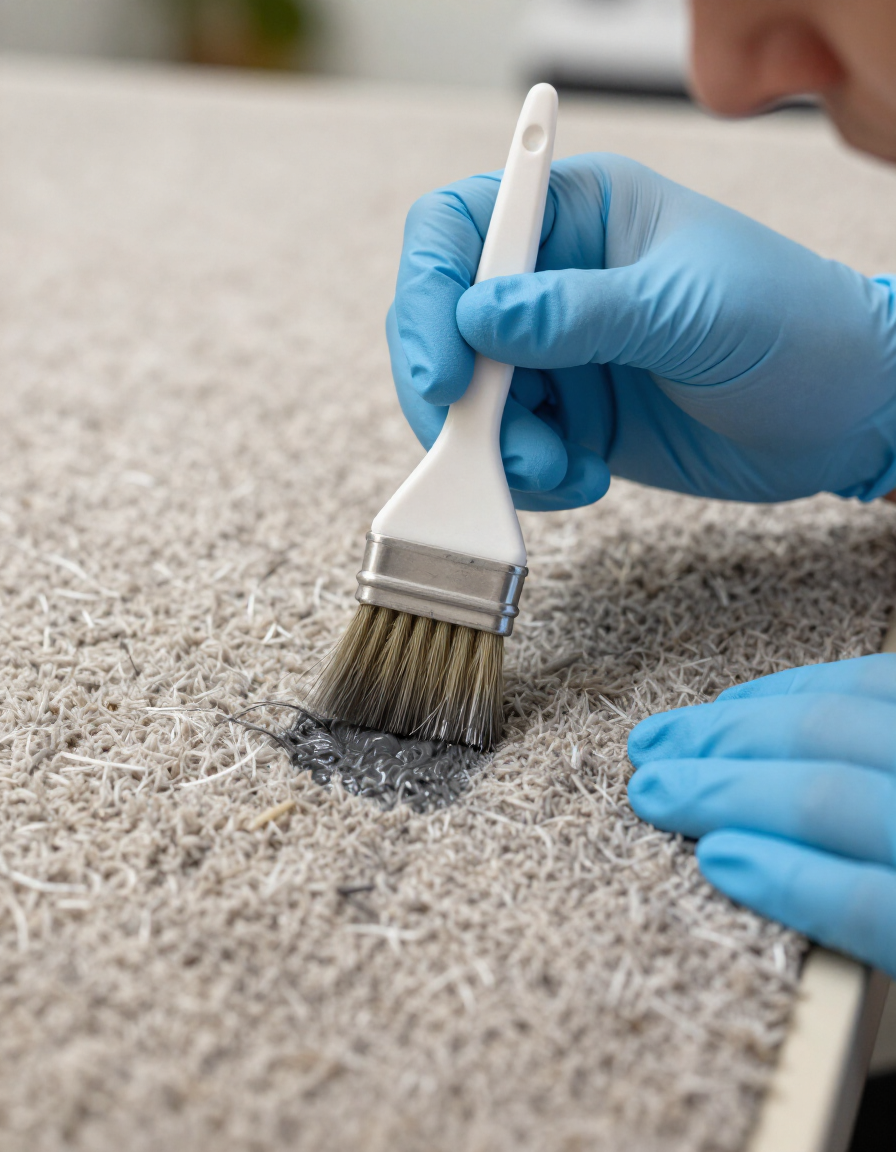
The Color Repair Technician (CRT) certification demonstrates expert knowledge of color theory, practical application, and hands-on techniques. To achieve the certification, the technician must demonstrate the knowledge to perform color correction or repair of nylon and wool textile materials.
The training emphasizes:
-Color theory & practical application:understanding the science behind color and how it applies to textile materials
-Expert techniques for color repair:learning how to correct color on both nylon and wool fabrics, including repairing improperly dyed fibers to bring them back to life
-Dyeing procedures:different dyeing methods and how to identify and work with them for effective color repair
We had to obtain our IICRC Carpet Cleaning Technician (CCT) certification to qualify for the CRT, and the CRT certification was a prerequisite for us to obtain our Master Textile Cleaner designation.
Mold
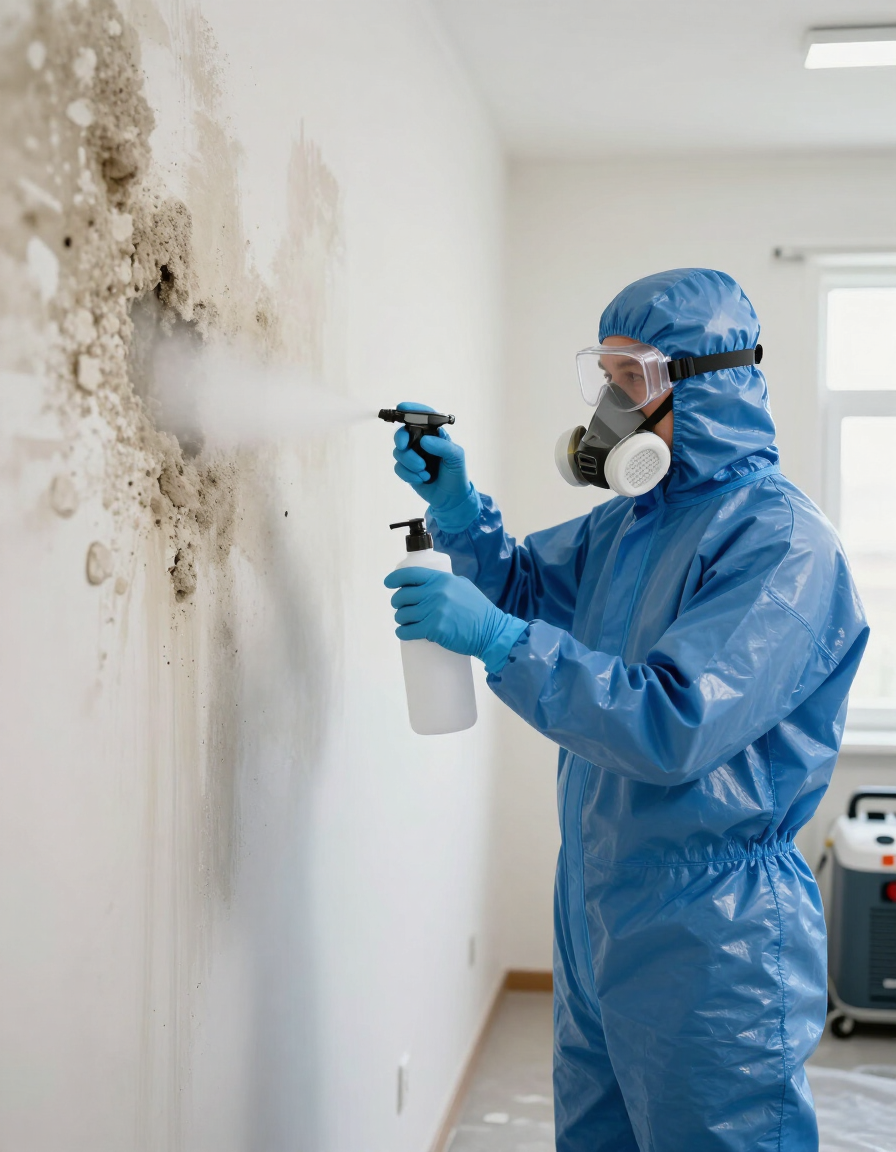
Mold Remediation Specialist (MRS)
Read more
Mold Remediation Services
RequirementsApplicants must meet a minimum of one (1) year of verifiable mold remediation field experience, and pay a $150 non-refundable/non-transferable application fee; applications are automatically denied if a year of field experience cannot be verified. Applicants must also pay a non-refundable examination fee of $300. There are no study guides for this exam — it is experience-based and requires prior knowledge and real-world experience. The exam is proctored, closed book, two hours, and consists of 100 questions. A failed exam can be retaken for an additional $200 non-refundable reexamination fee; a second failure requires a one-year wait before reapplying.
Understanding Mold Remediation TechniquesCommon methods include containment, air filtration, and the use of biocides to eliminate mold spores, each tailored to the specific environment and extent of infestation.
Importance of Mold Remediation CertificationThe MRS certification ensures professionals possess the necessary knowledge and skills to safely and effectively manage mold issues, signifying a commitment to industry standards and best practices.
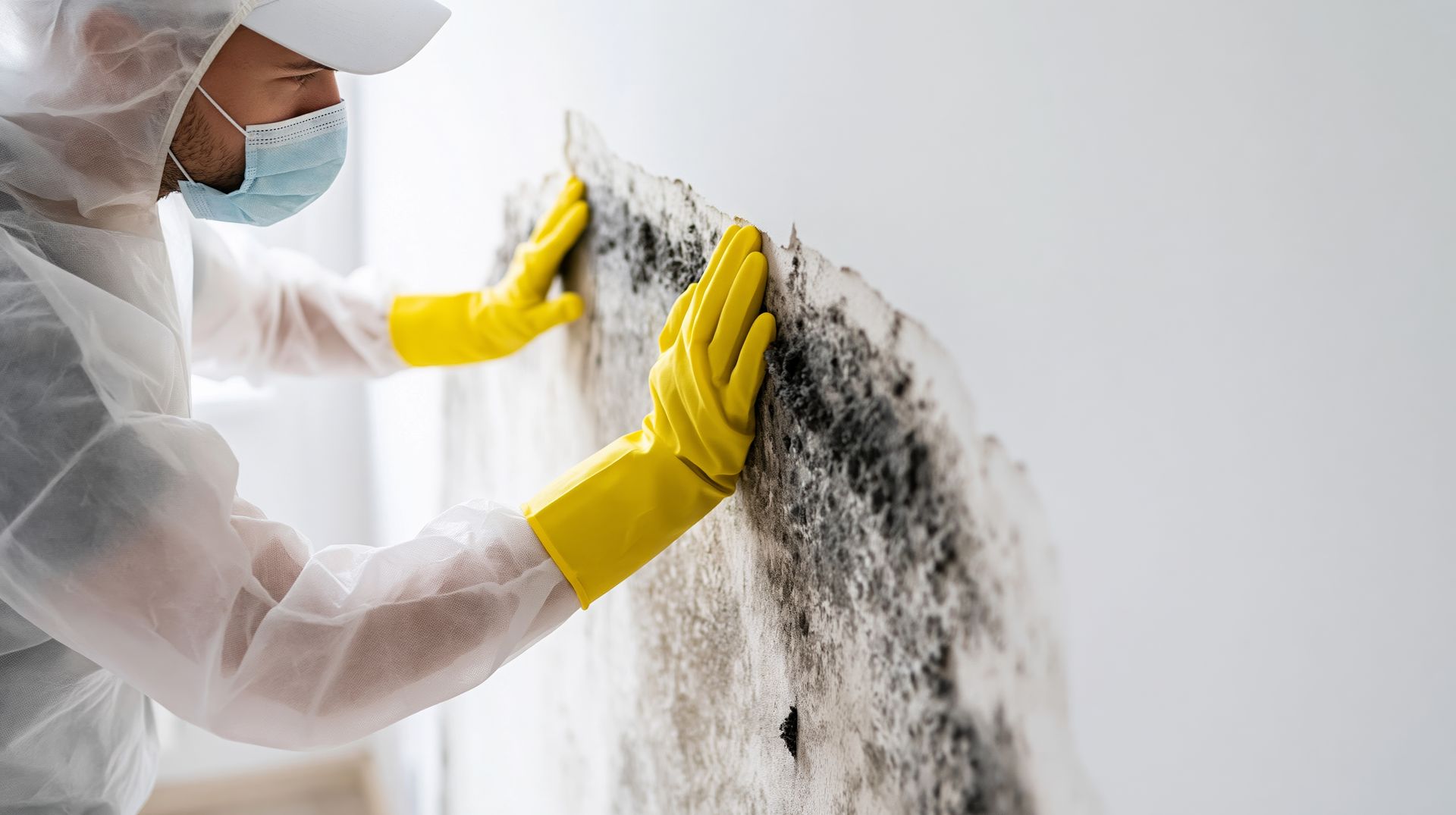
Common Signs of Mold InfestationCommon indicators include visible mold growth, musty odors, water damage on walls or ceilings, and peeling paint or wallpaper signaling moisture issues.
How to Choose a Mold Remediation ServiceLook for companies with proper certifications, positive reviews, and a clear outline of their remediation process, with experience handling specific types of mold issues.
Mold
Applied Microbial Remediation Technician (AMRT)
The Applied Microbial Remediation Technician (AMRT) certification covers mold and sewage remediation techniques for individuals engaged in property management, property restoration, IEQ investigations, or other related professions. The certification's emphasis is placed on mold and sewage remediation techniques. Upon certification, the technician demonstrates knowledge to perform remediation services while protecting the health and safety of workers and occupants.
An applicant must be certified as a Water Restoration Technician as a prerequisite to take this exam. The exam must be taken in-person only.
Read more
Mold Remediation Services
Importance of AMRT CertificationThe AMRT certification ensures professionals are equipped with the necessary knowledge and skills to effectively handle hazardous materials, enhancing credibility and assuring clients of expertise in managing health risks associated with microbial contamination.
Prerequisites for AMRT CertificationCandidates must meet certain prerequisites, including a foundational understanding of restoration principles and relevant experience in the field.
Services Offered by Puddles RestorationPuddles Restoration provides mold removal, water damage restoration, and fire/smoke remediation, each tailored to meet the specific requirements of the situation.
Fire
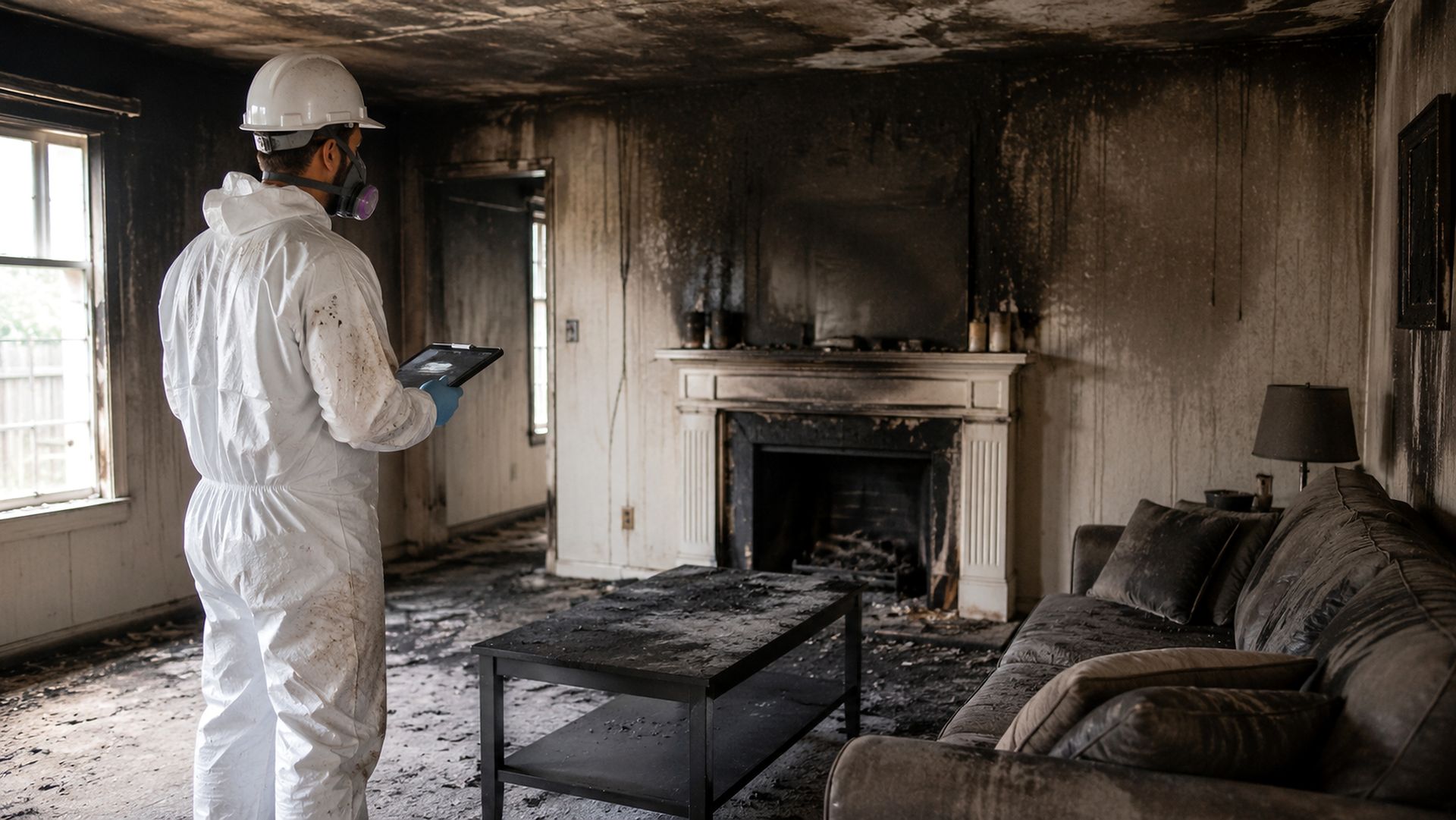
Fire and Smoke Damage Restoration Technician (FSRT)
Odor
Odor Control Technician (OCT)
Safety
Health and Safety Technician (HST)
Read more
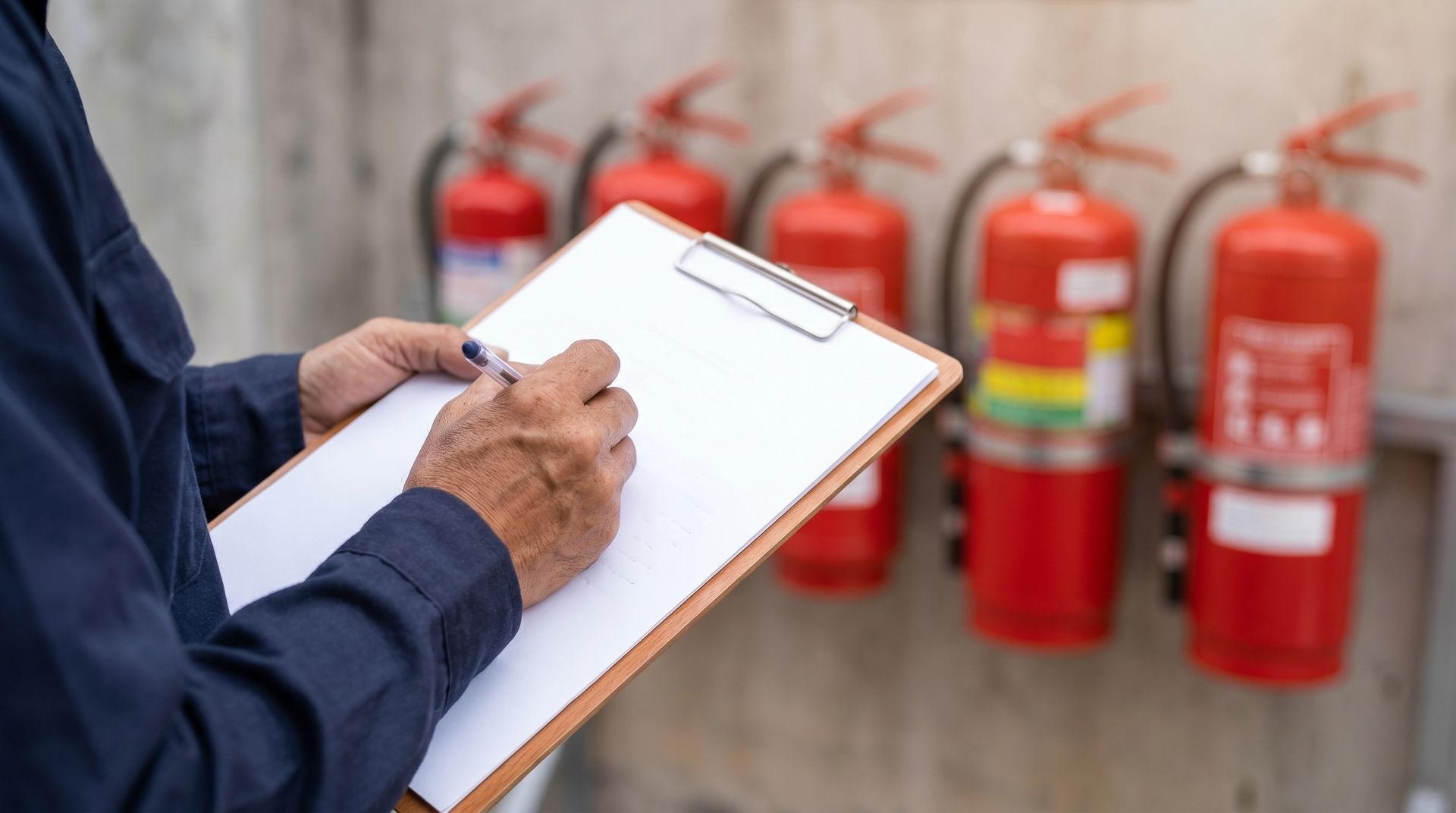
What is a Health and Safety Technician (HST)?An HST is a professional dedicated to ensuring safe working environments, particularly within industries like cleaning, maintenance, and restoration, implementing and overseeing health and safety protocols to prevent accidents, injuries, and exposure to hazardous substances.
Why is HST Certification Important for Restoration Services?Restoration projects often involve inherent risks, including exposure to mold, asbestos, biohazards, and structural instability. Certified Health and Safety Technicians ensure these risks are meticulously managed, demonstrating a commitment to best practices, client safety, and regulatory compliance.
Key Competencies Covered by HST CertificationUnderstanding and applying the Globally Harmonized System (GHS) for chemical hazard communication, conducting thorough hazard assessments, developing safety plans, emergency response procedures, proper PPE use, and safety protocols specific to cleaning, maintenance, and structural restoration operations.
Puddles Restoration's Commitment to Health and Safety CompliancePUDDLES leverages HST expertise to conduct comprehensive risk assessments, implement stringent safety measures, and ensure operations adhere to the highest industry standards, protecting both clients and team members.
Safety
Trauma and Crime Scene Technician (TCST)
The Trauma and Crime Scene Technician (TCST) certification covers the unique situations encountered when performing trauma and crime scene cleanup, regardless of surface, item, or location. The certification demonstrates knowledge of the various procedures and precautions taken when performing work at a trauma/crime scene and is based on the ANSI/IICRC S540 Standard for Trauma and Crime Scene Cleanup. Upon achieving the certification, the technician demonstrates knowledge about inspecting and investigating human blood and other potentially infectious material (OPIM) contamination to establish hazard assessments, work plans, and procedures for cleaning and safely transporting contaminated material.
Emphasis is placed on:
- Health and safety requirements, including hands-on donning and doffing of PPE and creating a hazard assessment of the area
- Structural remediation (cleaning and demo)
- Contents remediation (cleaning and disposal)
- Cleaning and disposal of vehicles and industrial machinery, including lockout/tagout and working with industrial site officers
- Biocide and antimicrobial technology
- Administrative procedures, documentation, and risk management
- Inspection and preliminary determination
- Equipment and tools
- Limitations, complexities, complications, and conflicts
- Vehicle and machinery construction
- Containment and disposal of waste or sharps
- Confirmation of cleanliness
Read more
Biohazard Cleanup Service
What is Trauma and Crime Scene Cleanup?A specialized service involving the professional remediation of biohazardous materials and other contaminants left behind after traumatic events, such as homicides, suicides, unattended deaths, or accidents. It goes beyond standard cleaning, requiring specific training, equipment, and adherence to strict safety protocols.
The Importance of TCST CertificationSignifies that an individual has undergone rigorous training and possesses the specialized knowledge and skills necessary to handle the unique challenges of biohazard remediation, validating understanding of hazard assessments, work plans, PPE usage, and correct procedures for cleaning, disinfecting, and disposing of contaminated materials.
Puddles Restoration's Expertise in Biohazard RemediationOur technicians are certified in TCST and also hold multiple other IICRC certifications, including WRT, ASD, and OCT, as well as specialized licenses in mold assessment and remediation.
Health and Safety Protocols in Crime Scene CleanupIncludes meticulous use of PPE (gloves, masks, suits, eye protection) and correct donning/doffing procedures, thorough hazard assessments, proper ventilation, waste disposal, and disinfection techniques.
Title or question
Describe the item or answer the question so that site visitors who are interested get more information. You can emphasize this text with bullets, italics or bold, and add links.Title or question
Describe the item or answer the question so that site visitors who are interested get more information. You can emphasize this text with bullets, italics or bold, and add links.Title or question
Describe the item or answer the question so that site visitors who are interested get more information. You can emphasize this text with bullets, italics or bold, and add links.
EPA
EPA Lead Renovator RRP (Personnel) Certification
Read more
EPA RRP rule
Certified Renovator ResponsibilitiesA certified renovator must provide on-the-job training to other workers on lead-safe work practices; be physically present at the worksite when warning signs are posted and during containment setup and cleaning; regularly direct work to ensure lead-safe practices and containment integrity; use EPA-recognized test kits or collect paint chip samples when requested; be available on-site or by phone at all times renovations are conducted; perform project cleaning verification; carry copies of their course completion certificates at the worksite; and prepare required records.
Importance of Lead-Safe PracticesLead-safe practices protect the health of workers and residents during renovation projects, particularly in homes built before 1978, minimizing the risk of lead exposure and reducing the likelihood of lead poisoning.
Benefits of Hiring Certified RenovatorsCertified renovators bring rigorous training in lead-safe work practices and hazard management, along with expertise in the latest techniques and materials that enhance safety and efficiency.
Understanding the Certification ProcessInvolves completing an EPA-approved training course covering lead safety, work practices, and regulatory compliance, followed by an exam. Certification must be renewed periodically.