
Water Damage Restoration vs. Water Damage Mitigation: What Each Step Covers
This guide explains the differences between water damage restoration and water damage mitigation so that commercial and residential property owners understand what each step involves and who typically performs each. Clear terminology can help you review an estimate, communicate with your insurance company, and avoid paying twice for the same work.
The term “water damage restoration” is broad, and companies use it differently. Some companies use it to describe the entire project from start to finish (e.g., the water damage remediation followed by the reconstruction/build back), while other companies use it only for the mitigation phase (i.e., stopping the problem) prior to any rebuilding. Asking what a quote includes can quickly clarify its scope.
PUDDLES Restoration’s estimates specify the scope of work, but it is incumbent upon you to confirm rather than assume to avoid miscommunications and misunderstandings.
Why These Two Terms Get Mixed Up
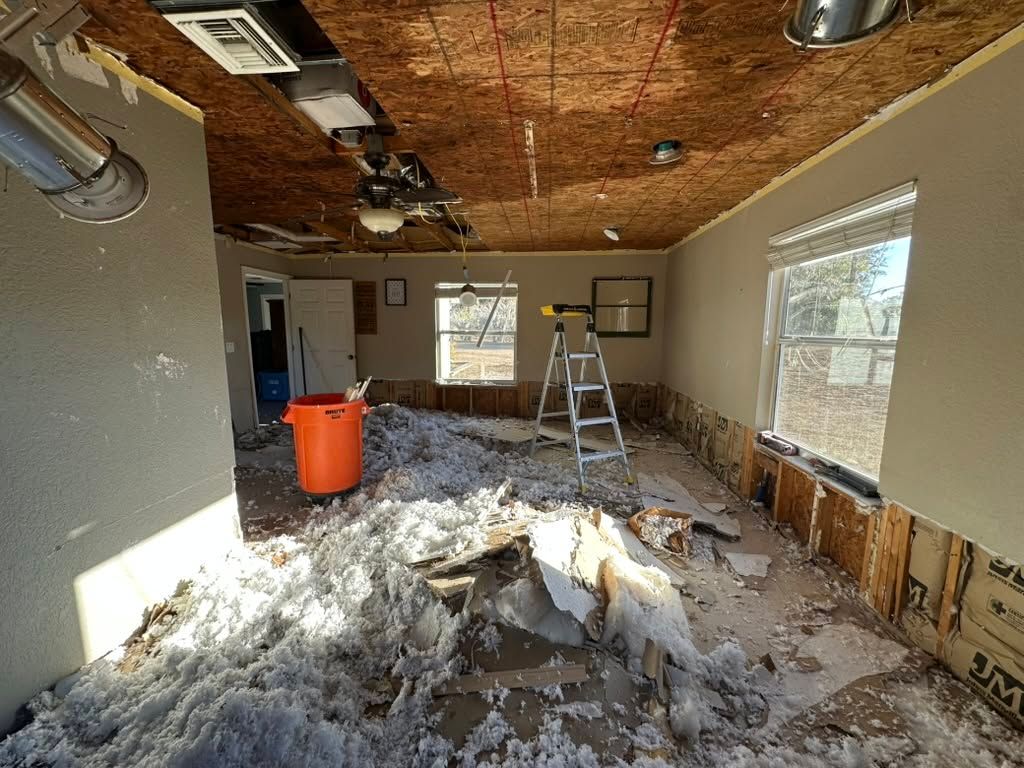
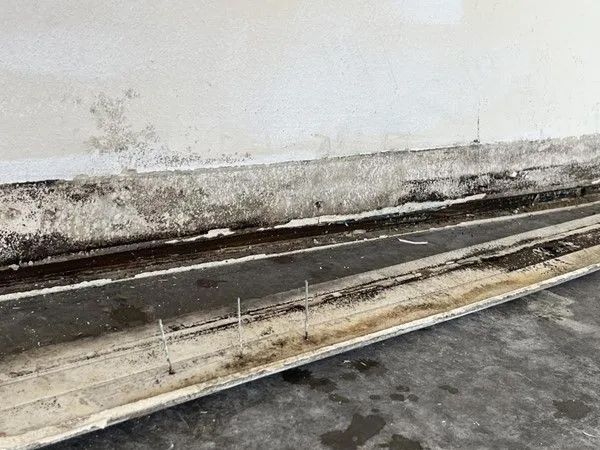
Mitigation and restoration represent distinct stages of addressing the same loss. The terms may overlap because a single contractor may handle multiple stages, and insurance claims typically encompass all aspects of a project, although the claim is usually itemized by aspect. For example, a burst pipe connected to a dishwasher or washing machine can cause significant water damage to cabinets and drywall. This may lead to secondary damage, such as mold, requiring the removal of substantially affected materials (e.g., drywall, cabinets, and luxury vinyl plank (LVP) flooring), all of which must then be replaced.
It may be helpful to view these as separate projects within one larger project. You have a duty to mitigate damages. The primary purpose of mitigation is to prevent the problem from worsening (i.e., to prevent secondary damage). Restoration focuses on returning the property as closely as possible to its pre-loss condition by determining which materials must be rebuilt or replaced, as though the water damage, flooding, mold, or other issue had not occurred.
Timing is important in Florida. Mold can begin to grow within 24 to 48 hours after water intrusion, and Florida's humid climate can accelerate mold growth. See https://www.facebook.com/profile/100091887764291/search/?q=cabinet
For this reason, it is important to contact PUDDLES Restoration as soon as possible to address the problem. Prompt action may help prevent tens of thousands of dollars in damage and repair costs and reduce disruption to your daily life. See
https://www.facebook.com/puddlesrestoration/posts/pfbid021Wv5BYQMFqp3FjztLarTjcSmqiq9rqyRLjBmU1zx54iZN2vxpZHCd5etu1robzR3l
What Does Water Damage Mitigation Cover?
Mitigation covers the urgent steps that keep water damage from spreading. It usually starts within hours of a loss.
Typical mitigation steps include:
- Stopping the water source, such as shutting off the supply when it is safe to do so.
- Removing standing water with pumps and extraction equipment.
- Protecting belongings and removing materials that cannot be saved, such as soaked carpet padding.
- Setting up drying equipment, such as fans and dehumidifiers.
- Taking photos and notes to document the loss.
Policyholders are often required to take reasonable steps to prevent further losses (i.e., the duty to mitigate). Accordingly, mitigation may support an insurance claim, if you begin mitigation within a reasonable period. One of the most significant mistakes we have observed clients make is waiting too long to contact PUDDLES, which can lead to secondary damage and may result in an insurance claim being partially or entirely denied. Because insurance policies vary, we strongly recommend reviewing your policy carefully or discussing it with your insurance agent.
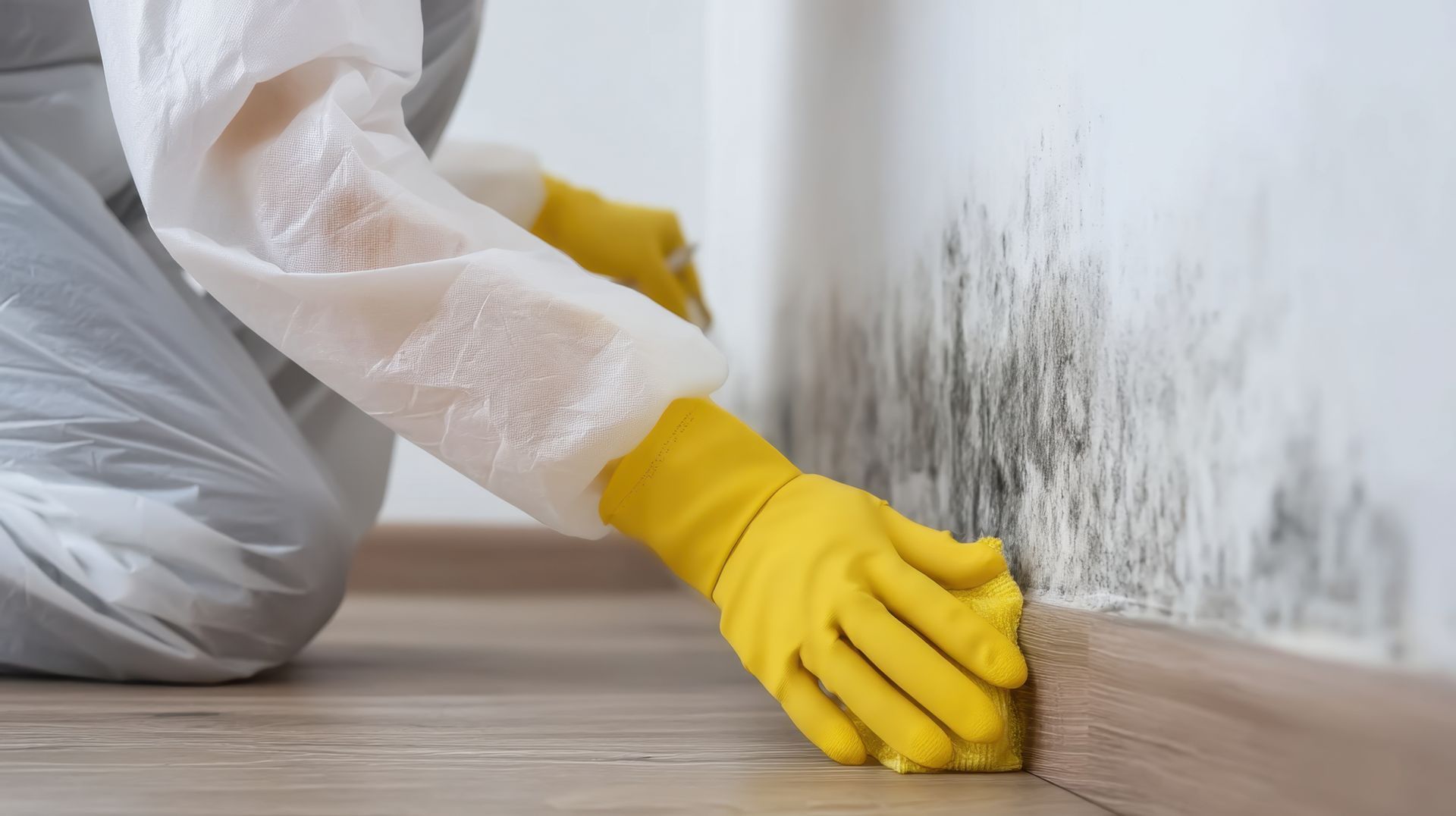
Mitigation often includes structural drying, cleaning, sanitizing, and measures to help minimize mold growth. Technicians measure moisture levels in affected areas (e.g., walls, floors, and ceilings) and continue drying until moisture readings indicate that the previously affected materials have met the applicable drying standard.
Different materials require the appropriate tools for accurate moisture measurement. For example, PUDDLES’ technicians may use a Dri-Eaz Hydrosensor II to measure moisture in carpet and, more importantly, any underlying carpet padding. However, we would never use this moisture meter to measure moisture in concrete; for that purpose, our technicians may use our Concrete Moisture Encounter CMEX5. Our water damage restoration services page provides answers to FAQs and explains how a certified team approaches water damage remediation.
Training Matters: Technicians with IICRC water damage restoration and applied structural drying credentials follow industry-standard methods for drying and monitoring. PUDDLES Restoration holds all of these certifications and more. Please see below. Ask any company which certifications its crew holds.
Where Water Damage Restoration Fits In
Repair is the rebuilding work that follows drying, such as replacing drywall, cabinets, flooring, baseboards, ceiling materials. This is the stage that looks like construction. It can include patching, texturing, painting, and installing new materials. Some restoration companies offer both water damage remediation and water damage restoration, and others pass this stage (the repairs, rebuild, etc.) to a general contractor.
Ask who will handle repairs before you sign anything. A clear scope of work helps you see where mitigation ends and where restoration/repair begins.
Who Typically Handles Each Step
Different professionals may handle different stages, so it helps to know who does what.
- Mitigation: A certified restoration firm, often on an emergency basis with trained technicians monitoring the drying.
- Restoration: The same firm if it offers rebuilding or a licensed general contractor.
- Insurance:
Your adjuster, who reviews the claim and the records from each stage.
The Usual Order of Work
Most losses follow a similar order, although every property is different.
- Stop the water source and make the area safe (i.e., usually involves a license plumber).
- Extract standing water and remove materials that cannot be dried (i.e., PUDDLES Restoration).
- Dry and dehumidify the structure while tracking moisture readings (i.e., PUDDLES Restoration).
- Implement measures to minimize mold risk where needed (i.e., PUDDLES Restoration).
- Rebuild or replace damaged finishes (i.e., general contractor).
A Gainesville Homeowner Example
A short example shows how the three stages work together in a typical Gainesville, FL, home.
Imagine a washing machine hose fails while the family is at work. Water spreads across the laundry room and into the hallway. Mitigation starts that day, with the supply shut off, water extracted, and drying equipment set up.
Over the next several days, technicians check moisture readings in the drywall and subfloor and adjust the equipment. Heavy summer thunderstorms and hurricane-season rain are common causes of water intrusion in North Central Florida, and Florida's humid air can slow drying, so monitoring replaces guesswork. Once the materials are dry, repair crews replace the baseboards and flooring that could not be saved.
Common Questions About Mitigation and Repair
Is Water Damage Mitigation the Same as Restoration?
No, they are related but different. Mitigation limits further damage during the initial hours and days and continues through drying, cleaning, and treating the property. Restoration involves the subsequent rebuilding, such as installing new drywall and flooring, to return the property to its pre-loss condition. Some companies provide both services, so confirm this in writing.
Does Insurance Cover Mitigation and Repair?
Coverage depends on the source of the water damage and the terms of your policy. Many policies cover sudden and accidental losses, and most require you to take prompt steps to prevent further damage. Please review your policy and consult your insurance agent.
How Soon Should Mitigation Start?
Please contact PUDDLES Restoration to begin mitigation as soon as it is safe to do so. Mold may begin to develop within 24 to 48 hours. In humid climates such as Florida, conditions may worsen the longer you wait, resulting in additional damage.
Get Clear Answers Before You Sign
PUDDLES Restoration provides water damage restoration in Gainesville, FL, and across Central Florida, with IICRC-certified technicians and 24/7 emergency service. If you are comparing quotes, ask each company to list exactly what is included for mitigation, restoration, and repair.
Call the Gainesville team at (352) 722-3791 or contact us online to request a quote.
PUDDLES Restoration
Ocala:
(352) 722-3790
Gainesville: (352) 722-3791
Daytona: (386) 795-3307
Email: Info@PUDDLESrestoration.com
Website:
www.PUDDLESrestoration.com
Facebook: https://www.facebook.com/puddlesrestoration/
BBB A+:
https://www.bbb.org
Instagram: https://www.instagram.com/puddlesrestoration/
Angi: https://www.angi.com/companylist/us/fl/ocala/puddles-restoration-reviews-1.htm#Reviews
Licenses & Certifications:
- FL Licensed Mold Assessor (MRSA)
- FL Licensed Mold Remediator (MRSR)
- IICRC Triple Master
- Master Textile Cleaner (MTC)
- Master Water Restorer (MWR)
- Master Fire & Smoke Restorer (MSR)
- IICRC Odor Control Technician (OCT)
- IICRC Applied Structural Drying (ASD)
- IICRC Water Damage Restoration (WRT)
- IICRC Carpet Cleaning Technician (CCT)
- IICRC Health and Safety Technician (HST)
- IICRC Mold Remediation Specialist (MRS)
- IICRC Commercial Drying Specialist (CDS)
- IICRC Carpet Color Repair Technician (CRT)
- IICRC Trauma and Crime Scene Technician (TCST)
- IICRC Upholstery & Fabric Cleaning Technician (UFT)
- IICRC Carpet Repair and Reinstallation Technician (RRT)
- IICRC Applied Microbial Remediation Technician (AMRT)
- IICRC Fire and Smoke Damage Restoration Technician (FSRT)
- HAZWOPER 40 Certification (29 CFR 1910.120)
- ASBESTOS:
- Contractor/Supervisor Accreditation
- OSHA Respirator Protection Certification (OSHA 29 CFR 1910.134)
- NIOSH 582e — Sampling and Evaluating Airborne Asbestos Fibers
- U.S. Environmental Protection Agency (EPA) Lead-Safe Certified Firm
- Institute of Inspection Cleaning and Restoration Certification (IICRC) Certified Firm
- U.S. Environmental Protection Agency (EPA) Lead Renovator RRP (Personnel) Certification
Recent Posts