The Hidden Danger of Bathroom Mold in Gainesville, FL – A Comprehensive Guide To What You Cannot See

• 21 January 2025
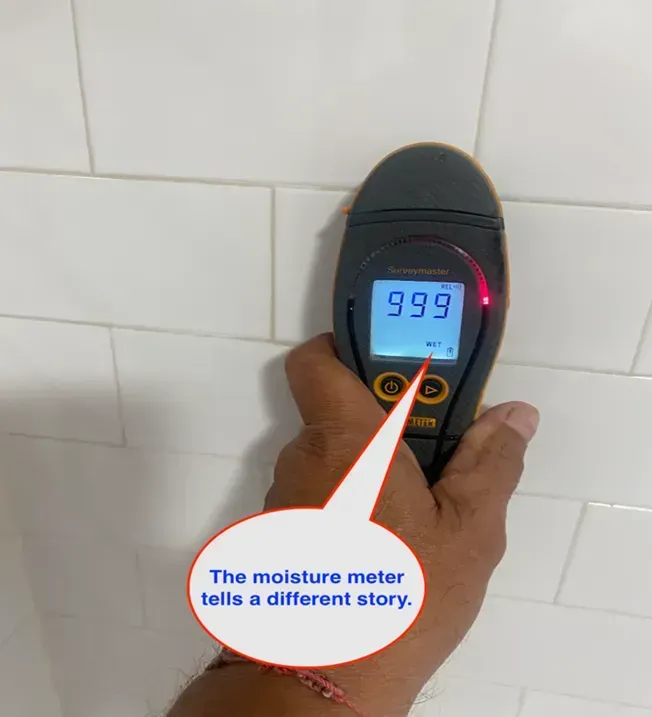
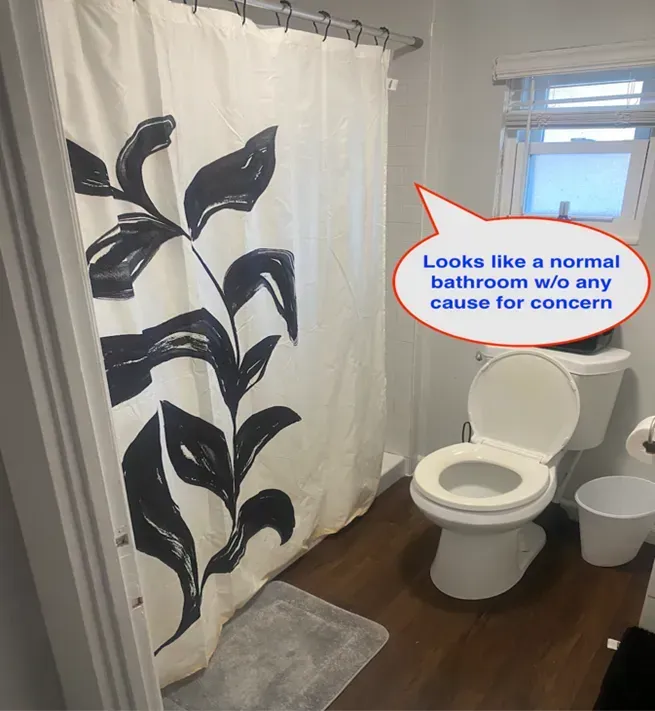
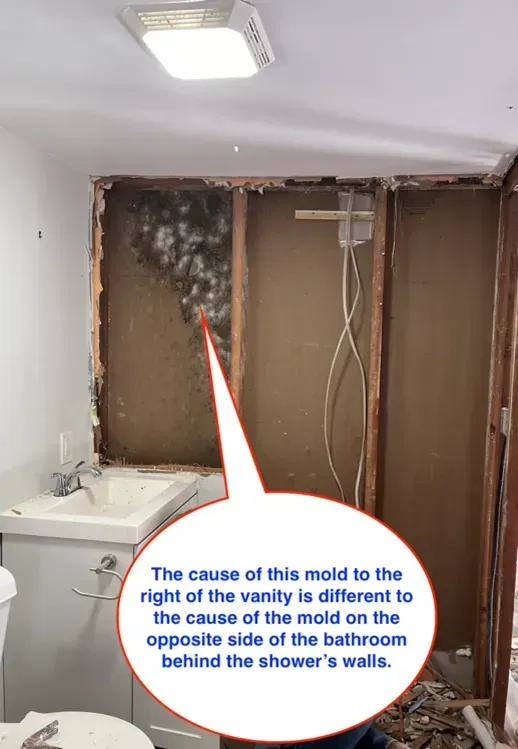
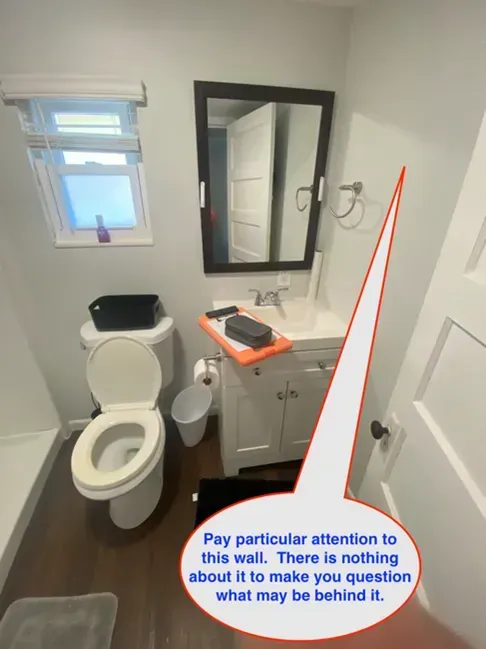
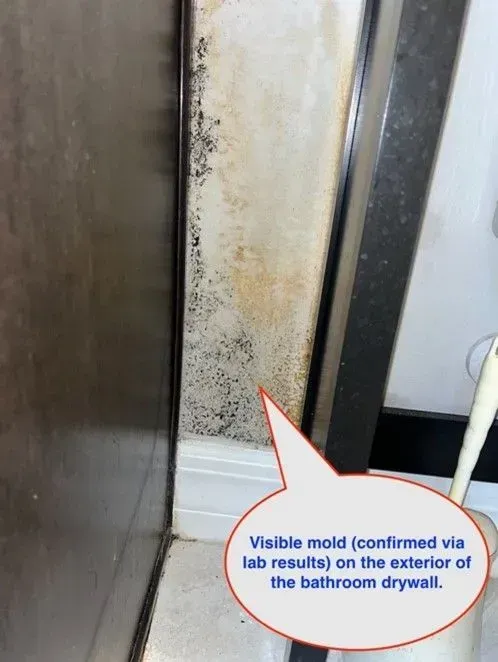
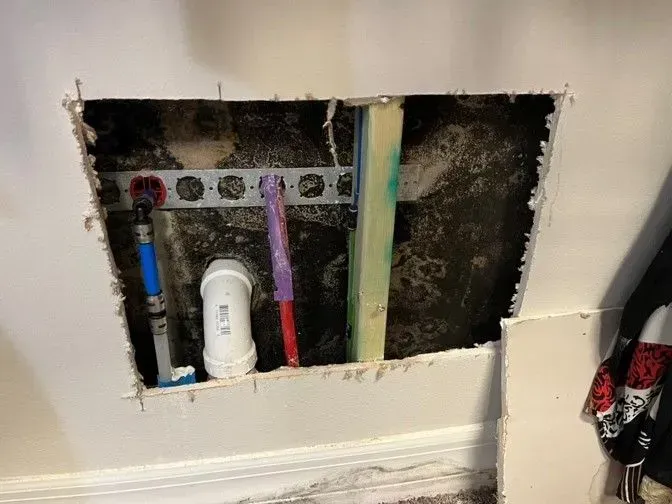
Gainesville, FL: Despite this bathroom’s normal visual appearance, it was harboring a hidden menace: MOLD (specifically Chaetomium, Penicillium/Aspergillus, and/or Stachybotrys). These silent invaders thrive in the damp, humid environment typical of bathrooms (think of extended hot showers), often growing unnoticed within walls, under floors, and behind fixtures. The mold you can see (if any) usually pales compared to the mold you cannot see, which poses a greater challenge to your health and the integrity of your home or business.

UNDERSTANDING MOLD

Mold is a type of fungus that grows in multicellular structures called hyphae. These structures can spread across surfaces and penetrate deep into materials, making mold difficult to eradicate. Mold reproduces through spores, which are tiny, lightweight particles that can travel through the air. Once these spores land in a suitable environment — one with moisture and organic material — they begin to grow and colonize.

COMMON TYPES OF BATHROOM MOLD

While there are thousands of species of mold, the most common types found in bathrooms include:

  • Aspergillus : This mold is often found on damp walls, flooring, and around sinks. It can sometimes appear as black or green spots and is known for causing allergic reactions and respiratory issues.
  • Cladosporium : This type of mold can thrive in both warm and cold environments. It typically appears as brown, green, or black spots on surfaces like tile grout, shower curtains, and under sinks.
  • Stachybotrys Chartarum : Also known as black mold, this toxic variety is less common but highly dangerous. It thrives on materials like wood, paper, and drywall that have been exposed to moisture for extended periods.

THE HIDDEN THREATS

Mold Inside Walls
One of the most insidious aspects of bathroom mold is its ability to grow inside walls. Leaky pipes, poor ventilation, or water seeping through tiles can create the perfect conditions for mold to thrive behind the scenes. Unfortunately, because this mold is hidden, it often goes undetected until it causes significant damage.

Under Floors and Behind Fixtures
Bathrooms are filled with nooks and crannies where moisture can accumulate, such as under sinks, around toilets, and beneath bathtubs. Mold can also grow under flooring, especially if there has been a flood or persistent humidity. These hidden areas are particularly vulnerable because they are rarely checked and can harbor mold colonies for long periods.

Health Implications
The presence of hidden mold in bathrooms can have serious health implications. Mold spores can trigger allergic reactions, asthma attacks, and other respiratory issues. Symptoms of mold exposure include coughing, sneezing, itchy eyes, and skin rashes. Prolonged exposure to toxic molds, like Stachybotrys chartarum, can lead to more severe health problems, including chronic respiratory illnesses and neurological issues.

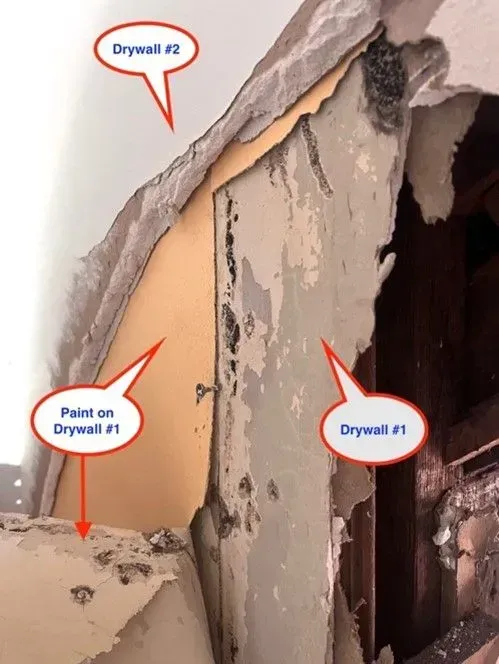
Broken drywall section exposing layers and damaged wall studs, with labels pointing to drywall #1, paint, and drywall #2

Double drywall systems typically involve the installation of two layers of gypsum board to achieve improved soundproofing, fire resistance, and thermal insulation. While these benefits are notable, the double layering can create a micro-environment where moisture can become trapped.

During construction, if the underlying wooden or metal studs are not adequately protected or if the building envelope is compromised, moisture can infiltrate the wall cavity. This is particularly problematic in areas with high humidity (e.g., bathrooms) or where the building is exposed to water ingress through leaks, condensation, or groundwater seepage.

DETECTING HIDDEN MOLD

Visual Signs
While hidden mold is, by definition, not visible, there are often indirect signs of its presence. These include persistent musty odors, peeling paint or wallpaper, water stains on ceilings or walls, and warped or discolored flooring.

Professional Mold Inspection
If you suspect the presence of hidden mold in your bathroom, it is advisable to hire a professional mold inspector. These experts use specialized tools, such as moisture meters and infrared cameras, to detect mold growth behind walls and under floors. They can also take air and surface samples to identify the type and extent of mold contamination.

Bathroom drywall corner with black mold and orange water stain near the floor

PREVENTING BATHROOM MOLD

Maintaining Proper Ventilation
Every location within Florida tends to have high humidity and Gainesville, FL, Florida is no different. Good ventilation is crucial in preventing mold growth. Ensure that your bathroom has an effective exhaust fan that is used during and after showers to reduce humidity levels.  Opening windows and doors can also help to improve airflow. After taking a shower, if you can see water on the bathroom ceiling, it is a sign that you need better ventilation.

Fixing Leaks and Moisture Issues
Addressing any leaks promptly is essential in preventing mold.  Regularly inspect plumbing fixtures, tiles, and seals for signs of water damage.  Repair any issues immediately to prevent moisture from accumulating and creating conditions conducive to mold growth

Using Mold-Resistant Materials : When renovating or building a bathroom, consider using mold-resistant materials such as mold-resistant drywall, paint, and caulk. These materials are designed to withstand moisture and inhibit mold growth.

Regular Cleaning : Frequent cleaning can help to remove mold spores before they have a chance to grow.  Use EPA plant-based antimicrobial cleaning products on surfaces such as tiles, grout, sinks, and bathtubs. Pay special attention to areas that are prone to moisture accumulation.

Open wall with exposed plumbing pipes and a drain in a bathroom or utility area

CONCLUSION

Whether you live in Gainesville, Florida, mold in the bathroom is a serious issue that can have significant health and structural implications.  While visible mold is relatively easy to address, hidden mold requires more diligent detection and prevention efforts.  By understanding the nature of mold, recognizing the signs of hidden growth, and taking proactive measures, you can protect your bathroom from this persistent invader and ensure a healthy living environment. Contact  PUDDLES Restoration  today and let us help you protect your health and property from the harmful effects of mold.
Orange PUDDLES Restoration service van with phone number and splash graphics

Recent Posts

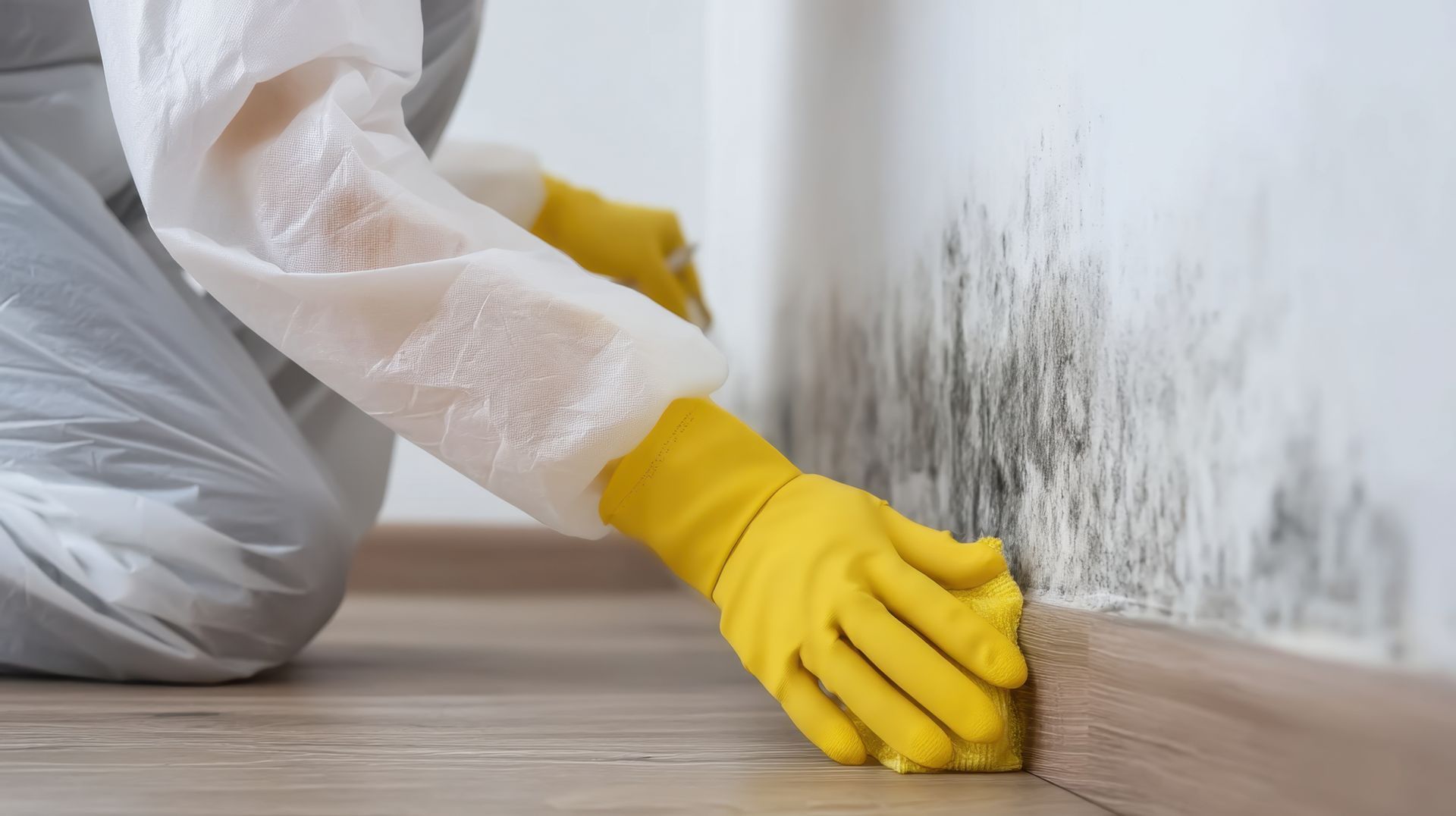
Person in yellow gloves cleaning mold from a wall near the floor
24 September 2026
An IICRC Triple Master is a rare and elite status achieved by earning all three Master designations from the Institute of Inspection Cleaning and Restoration Certification (“IICRC”): 1) Master Water Restorer (“MWR”), 2) Master Fire and Smoke Restorer (“MSR”), and 3) Master Textile Cleaner (“MTC”). The IICRC is a global organization with 54,028 active Certified Technicians and more than 6,500 Certified Firms worldwide. As of 9/15/2026, only 971 of the 54,028 active Certified Technicians (less than 1.8% globally) hold the Triple Master designation, which requires years of documented field experience and numerous prerequisite courses. The IICRC's Logistics Manager of Operations, Max Sparks, confirmed the numbers via email on September 15, 2026.
Room under renovation with exposed insulation, ladder, orange bin, and debris on the floor
23 September 2026
Customer Case Studies Real stories from real PUDDLES Restoration customers, drawn from our verified 5.0-star Google rating across 285 reviews. Every PUDDLES Restoration job is different, but the goal is always the same: stop the damage, prevent mold, and get a family or business back to normal as quickly as possible.
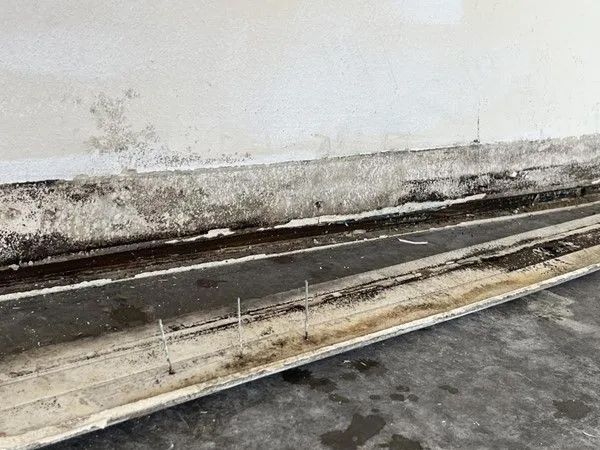
Stained concrete curb and sidewalk along a white wall, with wet dark pavement beside it.
27 August 2026
Hidden leaks & mold? Protect your home in Ocala, Gainesville & Daytona Beach. Puddles Restoration provides expert detection & prevention. Call now!